Tuesday, April 11, 2017

2017 Morel Burn Site Foray


Join me on the 2017 morel burn site foray! Learn an invaluable skill: how to track and identify morel mushrooms every spring at the forest fires. The foray will be held Sunday, May 21st. Spots are limited, so signup today. Hope to see you there. Happy hunting!


The truffle orchards of Northern California

Amazing progress has been made in Northern California in the field of truffle cultivation. Pictured here is a Perigord truffle native to Europe that was successfully grown and harvested in a winery's orchard of hazelnut and white oak. Inoculated tree saplings were planted and it has been several years in the making and farmers are now beginning to see the fruits of their labor. 

San Francisco Chronicle: Ground-breaking truffle harvest portends something big in California

Edible Spring Flowers

One of the most popular trends in foraging of late has been the use of wildflowers in cuisine. Here are just a few of them. Once you begin to look at flowers as edible, it opens up a whole new outlet for nature exploration.

Forsythia

Grape Hyacinth


Oregon Grape Flower

Lilac
Violets
Cherry Blossoms

White Clover

Red Clover
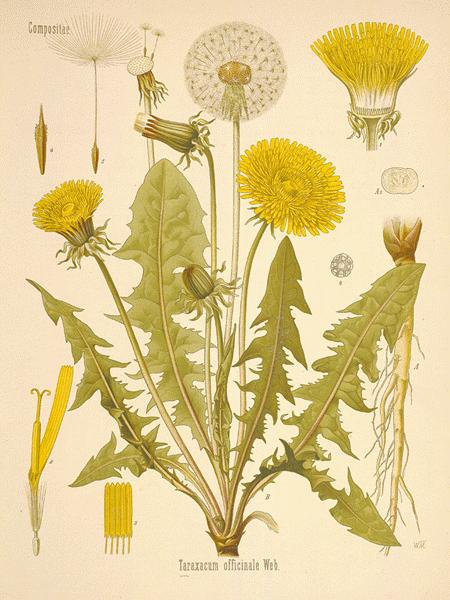
Dandelion


Saturday, April 23, 2016

4th Annual FOREST-to-PLATE Event. Signup Today!


It is time once again for my annual FOREST-to-PLATE event. This year is shaping up to be the best event yet. The record setting wildfires of last summer have created an opportunity to hunt for morel mushrooms like we have never before seen. Join us on the foray to see the destruction and glorious rebirth of nature firsthand as we comb the burned forest floors for the elusive morel mushroom. Learn an invaluable skill that you will be able to use every Spring, how to track and find morels at the burn sites.

FORAY Sunday, May 15th 11:00-5:00
LOCATION: TBD
CLICK HERE TO REGISTER
Next, join us for a can't-miss, one-of-a-kind dinner that is certain to be the memory of a lifetime. Indulge in a culinary adventure that features an expansive line of wild harvested greens, mushrooms, flowers, truffles, and regional wild game prepared by amazing executive chefs and paired and with the finest local wines.


The dinner will be held Tuesday May 31st at 6:00 at the Cellar @ 317 Sherman in CDA. 

Venison steak in morel sauce (upper left). Fresh morels (lower left). Wild catch trout with mushroom ragout (lower right). Executive chef and Inland Northwest Culinary Academy instructor Joshua Martin with student (upper right).
Oregon Black Truffle Risotto

Huckleberry Shortcake
SEATING FOR THE FORAY AND THE DINNER ARE LIMITED, make your reservations today!


Monday, March 7, 2016

2016 Morel Season Has Begun

The first non-landscape morel found east of California. This morel was found in Texas.

To check for reported morel finds, click on the Morel Progression Map. Morels typically begin to fruit here in the inland northwest in mid to late April.

Thursday, February 11, 2016

Winter Mushrooms Now Available

Some of the most versatile and unique wild mushrooms only fruit in the winter months. Two of these are yelllowfoot chanterelles and hedgehogs. There are a couple of hedgehog varieties native to the west coast, hydnum umbilicatum and hydnum repandum. Hedgehog mushrooms have a dense mushroom texture with an earthy, nutty, mild "sweet chanterelle" like flavor. In fact, many chefs and chanterelle fans actually prefer hedgehogs to the white or gold chanterelles. In terms of cooking suggestions, a quick saute with your favorite herbs, oil, and white wine will always work, but here are some other ideas.
Hedgehogs Hydnum Umbilicatum
"Sweet Tooth" Hedgehogs (hedgehogs on steroids) Hydnum repandum


Yellowfoot Chanterelles, also know as winter chanterelles. They have an earthy, mild fruity flavor with a delicate texture. These mushrooms work great in stir fry recipes with herbs, sauces, and vegetables, or on top of a nice piece of steak.


These mushrooms will not be around for long, so in the Spokane/CDA area please contact me to place your order today!

Friday, January 29, 2016

KREM 2: Growing Mushrooms From Windstorm Downed Trees

If you are unfamiliar with my venture to grow mushrooms from the downed trees of the windstorm, KREM 2 just did a story about it. If you happen to still have a downed tree or perhaps wood that you need to get rid of, you can contact me about removal. Here's the catch. Pine is useless. Fir is useless. If you have spruce or a deciduous tree that needs to be cut up, I can probably help. If you have already cut to firewood length, unfortunately I cannot use. I can only use rounds of certain length (3-4 ft) and specific diameter (depending on variety of tree.) So, if this describes you, a friend or family, please let me know. My goal is to put as many of these downed trees into local food production as I can. This will be a bit of a long-term project. I don't expect to be harvesting mushrooms from these logs for probably another 18 months. Stay tuned for updates, including log inoculation this early spring.

Monday, January 18, 2016

Finding Morels at the Burn Sites

The wildfires of last summer have left mushroom pickers with an abundance of land on which to hunt for morels. If you are thinking of looking for morels at the burn sites this Spring, but aren't sure where to start, the information here is designed to help you get going.


***Please note that the rules for gathering morels will vary from state-to-state and from forest-to-forest. You will need to consult your local forest ranger district for details. This is definitely in your best interest. Often times the forest rangers will have maps on hand with directions to exact places with mushroom activity. They are there to help, take advantage.***


The first thing you will want to do is identify a potential burn site. Here is the website for all active and non-active wildfires.

Use the filters to narrow your search to the state you desire. Also be sure to select "non-active" as the status and select an appropriate number of days for the max range. Once your filters are set, a list of all wildfires will be displayed. Click on any of the incidents for more information, including fire perimeter road maps. Make sure that this is a timber fire, not brush or grass. Do this by checking the 'fuels involved' portion of the incident page. For best results, the bigger the fire the better. 5,000 acres is generally a good minimum. 
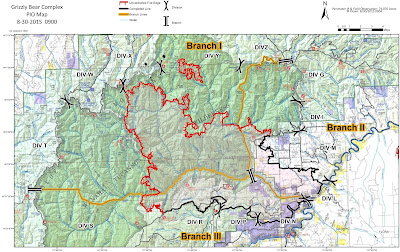
Click on the 'maps' tab of the incident to find fire perimeter maps, road closure maps, and much more. Here is a fire permiter map from the Grizzly Bear Complex in the Umatilla National Forest.  
Morels fruit in the Spring only. The exact time will depend on your location, elevation, and definitely the weather conditions. Here in eastern Washington, the harvest period is generally from April through May in the lowlands, and through June or longer in the mountains and higher elevations. Please note, these are hasty generalizations. Last year's earliest local morels came in the final days of March. Here is a fun website you can reference to find where people are currently finding wild mushrooms, especially morels in the Spring. 

Here is a picture of what potential burn morel habitat looks like. Note the complete lack of greenery. When morels are fruiting, there will be small spots and patches of greens like miner's lettuce, sheep sorrel (both edible), and others.
Morels at burn sites can be fairly easy to spot, like this multi-headed specimen. Clusters like this are very common at productive burn sites.
Burn morels, morchella conica, are typically smaller than other varieties. This picture shows a couple of larger burn morel specimens.

And some small specimens.
From Gourmet Foragables: How to find and cook with wild edibles Remember to check the burn holes, especially at highly picked over locations. This video shows where you can often find the biggest mushrooms.


With a little bit of luck and and a little bit of hiking, hopefully you will be able to fill your mushroom bag very quickly. Good luck!

Sunday, May 10, 2015

3rd Annual FOREST-to-PLATE Spring Event

It's finally here! It's the 3rd annual Spring FOREST-to-PLATE Event, sign up today! Learn how to identify wild mushrooms and other edibles in their native setting. We will be hiking through the woods in search of morels, coral mushrooms, nettles, fiddleheads, miner's lettuce, cattail shoots and more.

Sign up for the foray portion of the event at the following link:

This year's dinner event is hosted by The Wandering Table. The 10 course dinner features items found on the foray in addition to regional wild game, Townshend Cellars wine paring, truffles, and more.
CLICK HERE FOR DINNER RESERVATIONS

Seating for the foray and the dinner are both limited, make your reservations today!


Sunday, May 3, 2015

Cooking with Ramps

Ramps, allium tricoccum, are a wild leek that are wonderfully pungent and flavorful, like an intense cross between garlic, leeks, and onions
Here's a link to 22 amazing ramp recipes with pictures for each dish. I will be trying #9 and #19 FOR SURE!

KREM2 On Your Side: Gourmet Foraging Grows in Local Popularity

I received an email from Jenica Villamor at KREM 2 news a few weeks ago. She got my contact info from Ryan Stoy, executive chef and owner of The Wandering Table. She wanted do a story on the growing trend of local restaurants using foraged goods. I took her to a local morel spot to find mushrooms and conduct the interview. Here's the link:

Friday, March 6, 2015

Nettle and Wild Onion Soup

At long last, Spring has arrived and the first wild greens of the season have hit the farmers market. Here is a great way to use your nettles and wild onions. I always tell people, sincerely, that you just plain "feel better" after eating a nice, hearty bowl of nettle soup. In fact, nettles have more protein than ANY other vegetable. So here we go, this one is pretty simple.

Ingredients
One bunch of wild onions, flowers removed (optional) for garnish
Roughly one pound fresh nettles
2 chopped celery stalks
8 cups vegetable broth
3 chopped medium-sized potatoes

creme fraiche (optional) for garnish

Cook the potatoes and onions in vegetable broth for 15 minutes. Next, add the celery and cook for an additional 15 minutes at a low boil. Remove the potatoes and onions from the broth and puree until creamy. Use the broth to boil the nettles for 3 minutes. Remove and puree until smooth. Return all the pureed ingredients to your pot, add salt to taste. Add water to thin as needed. Can be served hot or cold, garnish with a dollop of creme fraiche and a few onion flowers.

ENJOY!!!

Wednesday, November 5, 2014

Cure for the Common Cold, Part Two: Rosehips

Rosehips are the round portion of the rose flowers below the petals. Rosehips develop on roses after the petals fall off. The rosehip is actually the fruit of the plant and they are one of our best available sources of Vitamin C. Look for rosehips beginning in the early fall through the first frost.

Rosehips have long been used to treat symptoms of the common cold. It's high iron and Vitamin C content are tremendous boosts to the immune system. Rosehips have also been used as a natural remedy for a variety of other health problems.


  1. Rosehips have been widely acclaimed to treat rheumatoid arthritis.
  2. The Vitamin C in Rosehips has been proved to lessen respiratory issues and prevent asthma.
  3. Antioxidants in rosehips have been shown to reduce high cholesterol levels.
  4. Antioxidants in rosehips help to prevent cancer.
  5. Rosehips can be used to treat diabetes and regulate blood sugar levels.
  6. Rosehips are a natural diuretic.
  7. Rosehip oil can be used to treat scars, acne, and burns.
  8. The Vitamin C in rosehips helps collagen production which is an import element in the structure of bones and body.
  9. Iron in rosehips produces red blood cells which oxygenates the body that is lost during menstruation
  10. Rosehips can be used to treat stomach disorders and prevents stomach irritation and ulcers.


Friday, September 19, 2014

Cooking with Matsutake

I came across this website which has excellent ideas for cooking with matsutake mushrooms: matsutake chowder, roasted matsutakes, and matsutake tempura with ponzu sauce.

A couple more traditional Japanese dishes that you will enjoy.
It is no dream...
Matsutake are growing
on the belly of the mountain
--Haiku by Shigetaka

Tuesday, September 9, 2014

At Vacant Homes, Foraging for Fruit

Here is a great piece from the New York Times regarding urban foraging and "trespassing" on vacant lots to harvest tree fruit, berries, and wild edibles. It is my hope and dream that we can use our food resources for the collective good of society and not let them rot and go to waste. I pray that law enforcement and other positions of authority will see it the same way.


Tuesday, September 2, 2014

Cure for the Common Cold, Part One: Elderberries

Cooler temperatures are on the way and soon we will be entering the cold and flu season, As sad as this reality may be, there are a couple of wild plants that have been shown to fight flu and cold-like symptoms. The first of these is the elderberry. Elderberries contain large amounts of Vitamin A, B, antioxidants, and have more Vitamin C than oranges. WebMD reports:
"Studies have found that elderberry eases flu symptoms like fever, headache, sore throat, fatigue, cough, and body ache. The benefits seem to be greatest when started within 24 to 48 hours after the symptoms begin. One study found that elderberry could cut the duration of flu symptoms by more than 50%."

Elderberry trees and bushes can be found growing wild along country roadsides, forest edges, and abandoned fields. Elderberries are easy to identify and usually fairly easy to harvest a lot of fruit. 

Elderberry produces large, beautiful blossoms that also have many uses, including tea, wine, champagne, and can be used in cooking.
Elderberries do not ripen all at once. Here is an example of blossoms next-to green elderberries next-to almost ripe greyish-purple berries.
Fully ripe, ready to harvest elderberries. Here's a tip: Wait to harvest until after the first frost. This will bring out the natural sugars in the berry and result in an even better tasting final product.


Sunday, July 6, 2014

Foraging in North Idaho

Check out pages 18-19 for my latest contribution to North Idaho Wellness Magazine. I was asked to write a short, 400 word, "how-to" or quick introduction to foraging in north Idaho. I was also asked to highlight restaurants in the area that feature foraged goods. This is what I came up with.


Tuesday, April 15, 2014

2014 Spring FOREST-to-PLATE Event

Join us for an evening of culinary delight! Our second annual FOREST-to-PLATE dinner is Tuesday, May13th at 6:00. This is an exquisite, five-course gourmet meal featuring the finest wild ingredients and wild game from across the region. Local wine pairings are also included, courtesy of Townshend Cellars located in Green Bluff, WA


The dinner is being held at Orlando's on the Spokane Community College Campus. A portion of each plate sold goes to benefit the Inland Northwest Culinary Academy, a non-profit organization hosting the event.


FOR A LIMITED TIME ONLY, join us for the dinner and receive FREE admission to one of our upcoming forays. THE NEXT FORAY IS SCHEDULED FOR SUNDAY, MAY 18TH (subject to change.) On the foray we will be learning how to hunt for the wild mushrooms and edibles that were featured at the dinner!

FOREST-TO-PLATE DINNER
Tuesday, May 13th, 6:00
Orlando's at SCC

CLICK HERE TO REGISTER!

Last year's dinner table. 
The truffle risotto was a huge hit. Made with fresh Washington Cascade truffles. It was to die for! If you've never enjoyed truffle mushrooms, it's a must-do "bucket list" item.
Last year's main course selections were venison in a morel sauce, and a wild caught trout filet served on fried polenta with a wild mushroom ragout. It was amazing!
A wild green salad tossed in watercress Vinaigrette.
For dessert we enjoyed huckleberry shortcake.

FOREST-TO-PLATE DINNER
Tuesday, May 13th, 6:00
Orlando's at SCC

CLICK HERE TO REGISTER!

SNEAK PEEK AT THE MENU!!!

  • Local wild catch trout with stream watercress and fresh morels
  • Wild mushroom and truffle mushroom risotto
  • Huckleberry Pastry in a fennel pollen and blue spruce gastrique

CLICK HERE TO REGISTER!

NEW ANNOUNCEMENT: There will be a FREE drawing at the dinner for a $50 gift card from Gourmet Foragables & More!!! The event is almost sold out, register today!

Friday, April 4, 2014

If You Can't Beat 'em, Join 'em: Dandelions

"If you can't beat 'em, join 'em" is a common mantra often expressed by many foragers. In the world of wild greens and edibles, nothing epitomizes this statement more than dandelions. It seems that all methods we have tried in order to eradicate the species have failed. In this regard, it is true that the dandelion maybe one of the world's most successful plants. Instead of spraying and weeding-out these flowers in an attempt to "beat 'em", here are some important reasons why a better approach is to "join 'em"


  • Dandelions are a green and growing first aid kit. For millennium, dandelion tonics have been used to help the body’s filter, the liver, remove toxins from the bloodstream. In olden times, dandelions were prescribed for every ailment from warts to the plague. To this day, herbalists hail the dandelion as the perfect plant medicine: It is a gentle diuretic that provides nutrients and helps the digestive system function at peak efficiency. 
  • Dandelions are more nutritious than most of the vegetables in your garden.  They have more vitamin A than spinach, more vitamin C than tomatoes, and are a powerhouse of iron, calcium and potassium.
  • Dandelions are good for your lawn. Their wide-spreading roots loosen hard-packed soil, aerate the earth and help reduce erosion. The deep taproot pulls nutrients such as calcium from deep in the soil and makes them available to other plants. Dandelions actually fertilize the grass. 
  • Excessive use of harmful herbicides can have many unintended consequences. Millions of wild birds are killed annually by the use of common lawn herbicides. House pets and young children can also become sick from these harmful chemicals. 


In other words, if you can't beat 'em, join em. Here are some great ways to take advantage of the many benefits offered by dandelions.